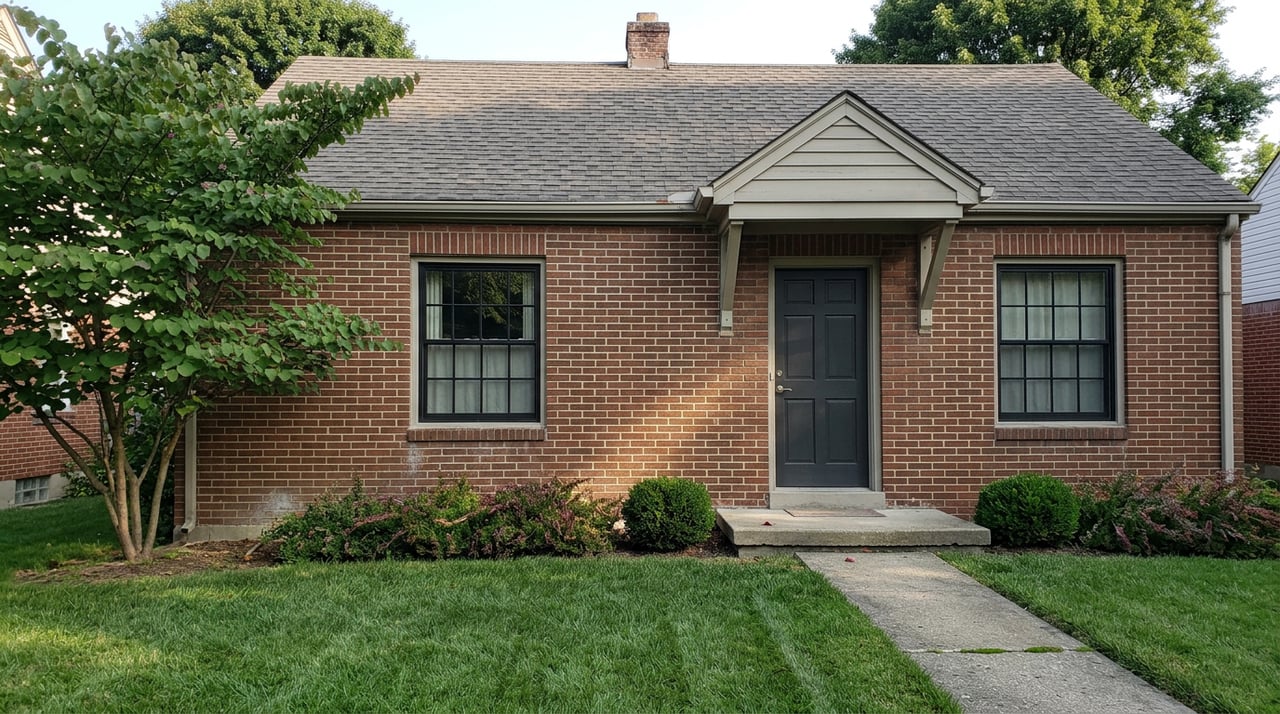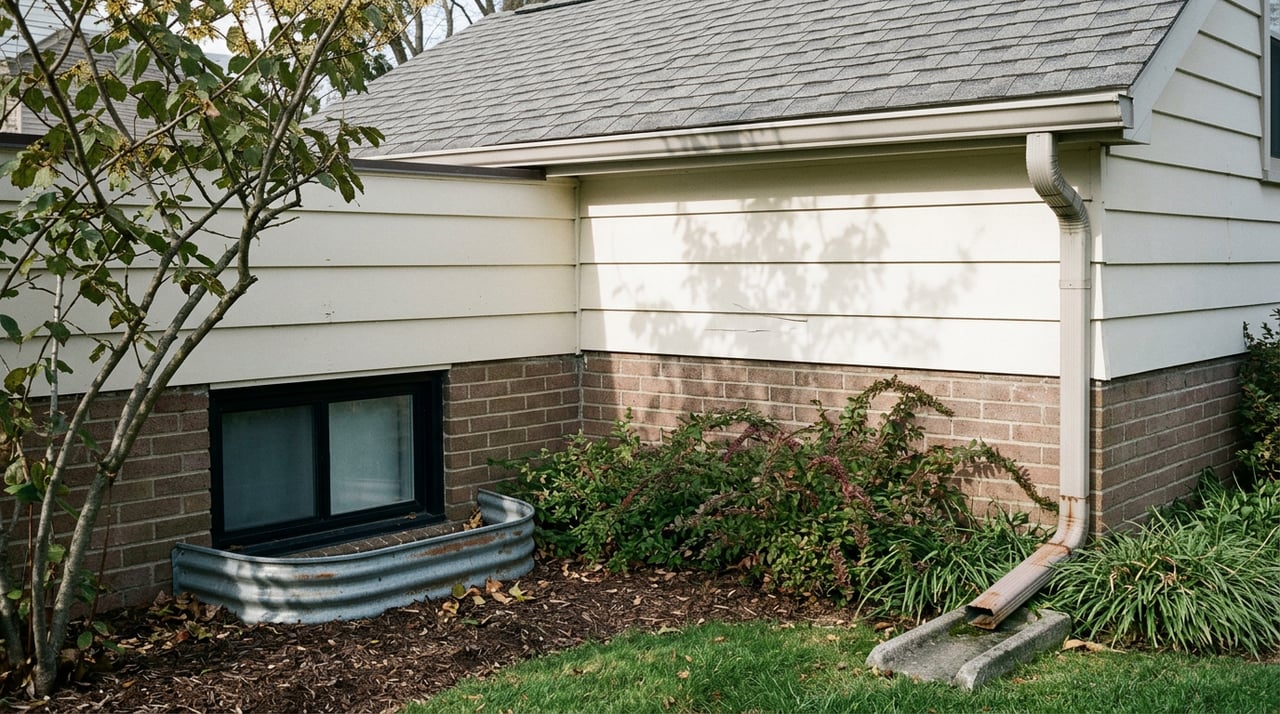
The moment usually arrives about ninety minutes into a home inspection, somewhere in a Berkley bungalow built sometime between the 1920s and the 1960s. The inspector is down in the basement, flashlight aimed at a floor drain near the water heater, and asks a version of the same question: is there a backwater valve on this line? Half the time the answer is no, and the conversation that follows has nothing to do with the kitchen upstairs or the roof or the price per square foot. It is about a piece of plumbing hardware most buyers have never heard of, sitting between their future basement and Berkley's sewer main.
That conversation is worth understanding before it happens to you, because the obvious read on it is wrong. Most buyers treat a missing backwater valve as a repair item to negotiate and move past. The more useful read is that the valve is a proxy for two separate questions: what will it cost to fix now, and what will your insurance actually do later if it fails. Berkley's own city government has quietly built a whole reimbursement program around the first question. Almost nobody asks the second one until a claim gets denied.
What the Valve Actually Stops
A backwater valve is a simple mechanical flapper installed in a home's sewer lateral, usually beneath the basement floor. Water and waste flow out toward the city main in one direction. If the main backs up during a heavy storm, the flapper closes and keeps that backup from traveling up the lateral and out through the basement floor drain. Without one, a surcharged sewer line has nowhere else to go.
Berkley's housing stock makes this more than a hypothetical. The city's homes were built almost entirely between the 1920s and the 1960s, well before backwater valves were standard practice, and many still run on original clay drain tile. Add mature tree canopy across most of the city's blocks, and you get root intrusion into aging clay pipe as a routine, not rare, occurrence. None of that is unique to any one address. It is a function of when and how the whole city was built.
Why the City Pays You to Install One
Here is the detail that should change how you think about this. The City of Berkley runs a backwater valve permit fee reimbursement program, refunding the cost of the permit itself to residents and business owners who install one. Cities do not typically subsidize a repair unless the underlying problem shows up often enough to justify the administrative cost of running a reimbursement program. Oakland County's Home Improvement Program can also help offset the installation cost for qualifying homeowners, according to information a Berkley City Council member has circulated to residents.
Installation costs typically run from around $1,500 on the low end to as much as $10,000 depending on how the plumbing has to be accessed, whether it means opening a basement floor or digging up part of the yard. A Berkley-based waterproofing contractor quotes a broader range, from roughly $3,000 to $15,000, when the job expands into full interior or exterior waterproofing rather than the valve alone. Both figures describe the same underlying reality: this is a four-figure to low five-figure line item, not a weekend fix, and the spread depends heavily on access, not on the age of the house alone.
The Negotiation Nobody Puts on the Disclosure Form
Unlike some jurisdictions in other states that mandate a sewer lateral inspection before a title can transfer, Berkley has no ordinance requiring a backwater valve, or a sewer scope, as a condition of sale. That means the valve rarely appears on a seller's disclosure statement at all. It shows up because a buyer's inspector goes looking for it, and because in a city built on this much clay drain tile, they usually do.
What happens next is a plain negotiation, not a compliance exercise. A seller who already installed a valve years ago, whether for peace of mind or because a previous storm made the decision for them, can point to it as a selling point, sometimes even mentioning the permit reimbursement they claimed at the time. A seller without one is choosing between installing it before listing, at a known cost, or leaving it as a credit to negotiate once the inspection report is in the buyer's hands. Neither path is required by the city. Both are shaped by how much runway the seller has before closing and how firm the buyer's inspector was in the report.
For buyers, the practical sequence at inspection usually looks like this:
- Ask the inspector directly whether the basement floor drain has a backwater valve, rather than waiting for it to surface in the written report.
- If there is no valve, get a plumber's quote before you finalize a repair credit request, since the $1,500 to $10,000 range depends on access, not guesswork.
- Ask whether the seller ever filed a claim with the City of Berkley's Public Works Department for basement flooding at that address, since that history is relevant even if it isn't legally required to be disclosed.
The Insurance Assumption That Trips People Up After Closing
Here is where the story usually stops for most buyers, and where it should not. A newly installed backwater valve solves the mechanical problem. It does not by itself change what your homeowners insurance policy covers.
Standard homeowners policies in Michigan exclude water that backs up through a floor drain, toilet, or sewer line, whether or not a backwater valve is present, unless the policy carries a specific water backup endorsement. That endorsement typically costs somewhere in the range of $75 to $150 a year, a small enough number that it is easy to assume it is already baked into a standard policy. It is not. A homeowner who negotiated a valve installation at closing and then never called their insurance agent to add the endorsement has closed half the loop. If that valve fails decades from now, or if water finds another path during a severe storm, the claim can be denied for the same reason it always would have been: the backup itself is excluded without that rider.
This is not a hypothetical risk unique to one unlucky house. The June 2021 storms that hit southeast Michigan dropped five to more than six inches of rain in a single day across parts of the region, overwhelmed the aging combined sewers that carry both storm and sanitary flow through much of the inner ring, and led the Detroit Water and Sewerage Department to log more than 24,000 water damage claims. The event became a federal disaster declaration covering Wayne, Oakland, Macomb, and Washtenaw counties. Berkley sits squarely in the older, inner-ring housing stock that a 2026 regional flood-risk index names as most exposed, alongside neighbors like Royal Oak, Ferndale, and Huntington Woods. That is not a reason for alarm. It is a reason to treat the insurance conversation as part of the same closing checklist as the plumbing one.
What This Means for You
If you are buying in Berkley, treat the backwater valve question as two separate action items, not one. Negotiate the repair or credit based on an actual plumber's quote, and then make the call to your insurance agent about a water backup endorsement before your first storm season in the house, not after a claim gets denied.
If you are selling, know that installing a valve ahead of listing removes a common point of friction from your inspection period entirely, and that the city's fee reimbursement makes the decision a little easier to justify. If you choose not to install one, be ready for the credit conversation and have a plumber's estimate on hand before a buyer's inspector hands you a number you have no way to evaluate.
A Few Questions We Hear Often
Does Berkley require a backwater valve to sell a home? No. The city has no ordinance mandating a backwater valve or sewer lateral inspection as a condition of transferring title. It shows up through the buyer's home inspection, not through a disclosure requirement.
If I install a valve, is basement flooding automatically covered by my insurance? Not automatically. A standard Michigan homeowners policy excludes sewer and drain backup unless you add a specific water backup endorsement, regardless of whether a valve is installed.
Who do I contact if my basement has flooded in Berkley? The city's Public Works Department takes reports and claims related to basement flooding, and its flood tips page outlines Michigan's Public Act 222 of 2001, which governs when a municipality can be held liable for a sewer backup event.
Whether you are touring a Berkley bungalow with an inspector in the basement right now or getting ready to list one, this is exactly the kind of detail worth talking through before it becomes a surprise at the closing table. Kim Nagy and the Nagy Real Estate Group know Berkley's housing stock street by street, and we are always glad to walk you through what an inspection report actually means for your negotiation. Contact Us when you are ready to talk it through.