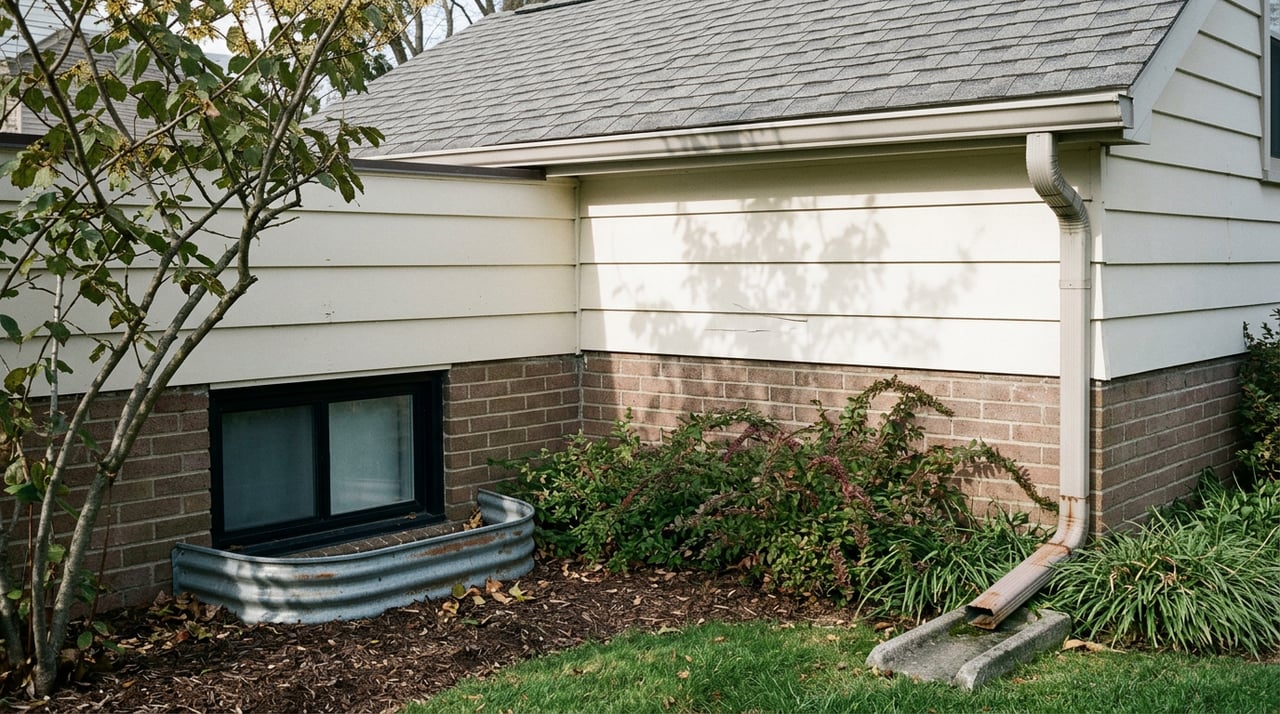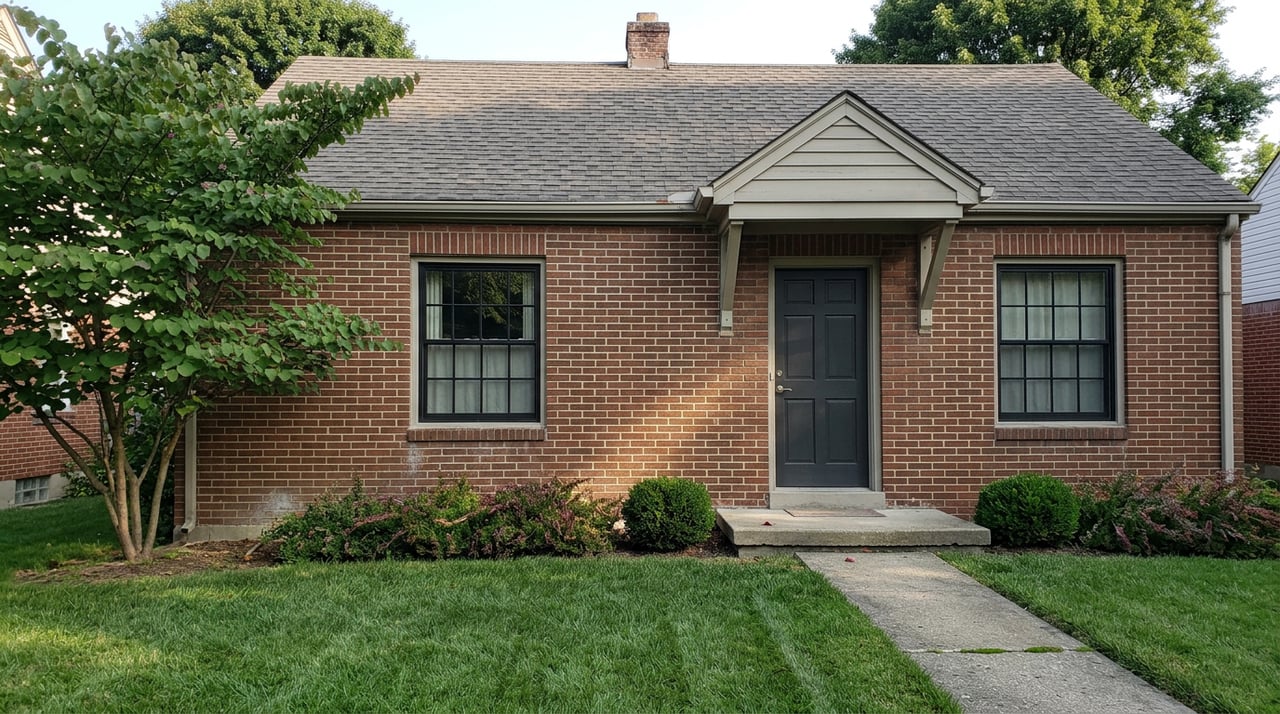
In June 2026, a newly built home on Woodsboro Drive went under contract and closed in two days at $1.7 million, the biggest sale in the city over the past twelve months. A few blocks away, a home in nearly the same price range, on Shenandoah, took 105 days to sell and closed at $1.34 million. Same city. Same month. Roughly the same price tier. One sold like it was priced to spark a bidding war. One sat through most of a summer.
If you've been watching Royal Oak's median price bounce around and wondering what it actually tells you, that gap is the answer. The citywide number describes an average of two markets running at very different speeds, and knowing which one you're actually shopping or selling in changes the strategy almost completely.
The Average Hides More Than It Reveals
In June 2026, 124 homes closed in Royal Oak at a median price of $385,000, based on closings tracked through Realcomp MLS. That's a sharp jump from the trailing twelve-month median of $367,000 across 1,132 sales, and on its face it looks like the market suddenly accelerated. It didn't accelerate so much as get pulled.
Only six of June's 124 closings were new construction built in 2020 or later. Their median price was $1,277,500. The other 118 homes, the bungalows, ranches, and older colonials that make up most of the city, closed at a median of $376,500, close to flat with recent months. Zoom out to the full trailing year and the pattern holds: new builds were just 5.9% of all Royal Oak sales, yet they closed at a median of $985,000, nearly triple the $360,000 median for everything else. A handful of high-end closings can move a citywide average every time, and Royal Oak's average has been getting moved more than most.
The steadier signal is price per square foot, which reached $318 in June 2026, up 8.6% from the trailing twelve-month pace of $293. That's real, broad-based appreciation across the market. The jump in median price is mostly a story about which six houses happened to close that month.
Three Price Bands, Three Different Markets
Break down Royal Oak's 216 active listings by price band, measured against the trailing year's sales pace, and three distinct markets show up.
| Price Band | Approx. Months of Supply | What's Actually There |
|---|---|---|
| Under $300,000 | About 2.3 months | Mostly condos, including a $98,500 unit that closed on Clawson Avenue in June, the cheapest sale in the city that month |
| $300,000 to $500,000 | About 1.7 months | The 1940s and 1950s bungalows and ranches that built the city, many renovated, where most of June's sales happened |
| $750,000 and up | Loosens toward roughly 6 months of supply for homes over $1 million | New construction and high-end renovations, where positioning matters more than price |
Anything under three months of supply favors sellers. The $300,000 to $500,000 band, at 1.7 months, is tight enough that 43.5% of June's sales went under contract within a week and nearly 70% within two weeks. That's the lane most buyers are actually competing in, and it behaves nothing like the roughly six months of supply sitting on homes priced over $1 million.
Positioning Beats Price at the Top
The Woodsboro and Shenandoah sales that opened this piece sit in the same rough price tier, and that's exactly the point. A 1907 home on Wyandotte Avenue sold for $399,500 the same month the new build on Woodsboro closed at $1.7 million, which gives you a sense of the full range Royal Oak covers in a single month. But Woodsboro and Shenandoah tell you something more specific: at the top of the market, two homes can carry nearly identical price tags and still sell nothing alike. One closed in two days. One took three and a half months. The difference wasn't the number on the sign. It was everything that happened before the sign went up, from pricing strategy at listing to condition to how the home was positioned against the small handful of other $1.3 to $1.7 million options a buyer in that range was actually comparing it to.
Where the Real Leverage Sits Right Now
Condos make up 71 of Royal Oak's 216 active listings, close to a third of everything for sale, but they accounted for only 19% of the past year's sales. Run that math and condos are sitting at roughly four months of supply, more than double the 1.9 months carried by single-family houses. For buyers, that's the most negotiable corner of the Royal Oak market at the moment, from entry-level units near downtown up through the sub-$300,000 tier. For anyone selling a condo, it means the list-high-and-wait approach that still works for a $350,000 bungalow won't behave the same way here. Pricing has to reflect the actual competition, and right now that competition includes more condos sitting on the market longer than houses in the same price range.
Why the Top of the Market Keeps Growing
Royal Oak's housing stock is still overwhelmingly pre-war and mid-century, built between the 1920s and 1950s as Craftsman bungalows, Tudor revivals, and brick colonials on compact city lots. That inventory isn't expanding. What's expanding is the replacement of it. Teardown and infill activity has concentrated near Coolidge Highway and 11 Mile Road, and newer developments like Normandy Oaks have added a supply of turnkey new construction that didn't exist a generation ago. Downtown, the city is further along on Lincoln Place, a five-story building under construction at the southern end of downtown that will include 52 units reserved as workforce housing, on a site that used to house a fire suppression system manufacturer. None of that is single-family inventory, but it's a sign of how much is still being built and rebuilt inside a city most people still picture as block after block of century-old bungalows, and it's part of why the high end of the market keeps producing the kind of sale that skews a citywide median.
Reading the Number Correctly
Zoom out to the region and Royal Oak's steadiness stands out more than the median price does. Metro Detroit inventory hit a five-year high in July 2026, with active listings up more than 12% year over year across Oakland, Macomb, and Wayne counties, and pending sales down slightly from a year earlier. A lot of cities' single-month numbers are swinging around because of that shift. Royal Oak's underlying figures, closed sales up more than 8% and home values up roughly 2.6% year over year, held up on both counts, which is a different and more reliable signal than one good month of closings. That's the version of "seller's market" worth trusting: not a headline number, but two independent measures agreeing with each other.
A Couple of Questions We Hear Often
Is Royal Oak still a seller's market in 2026? For the $300,000 to $500,000 core of the market, yes, with under two months of supply and most homes going under contract inside two weeks. Above $750,000 and in the condo segment, supply is loose enough that buyers have real room to negotiate.
Why did a home two streets over sell in a weekend while a similar one has sat for months? Usually it isn't the price. The Woodsboro and Shenandoah closings above are a good example: nearly identical price tags, wildly different timelines. Preparation, pricing strategy at listing, and how a home is positioned against its real competition explain the gap far more often than the number on the sign.
If you're trying to figure out which lane your street, your price point, or your timeline actually falls into, that's the conversation worth having before you list or make an offer. Kim Nagy and the Nagy Real Estate Group walk Royal Oak's blocks every week and can tell you, house by house, which market you're really standing in.