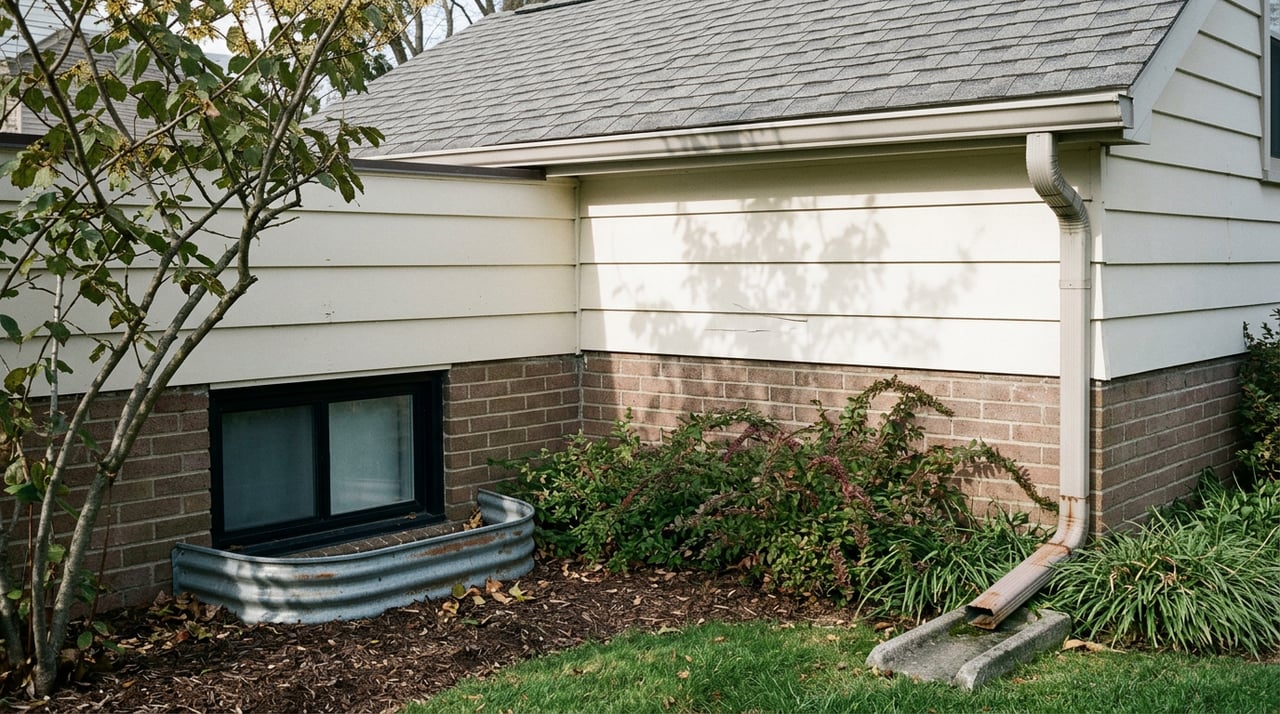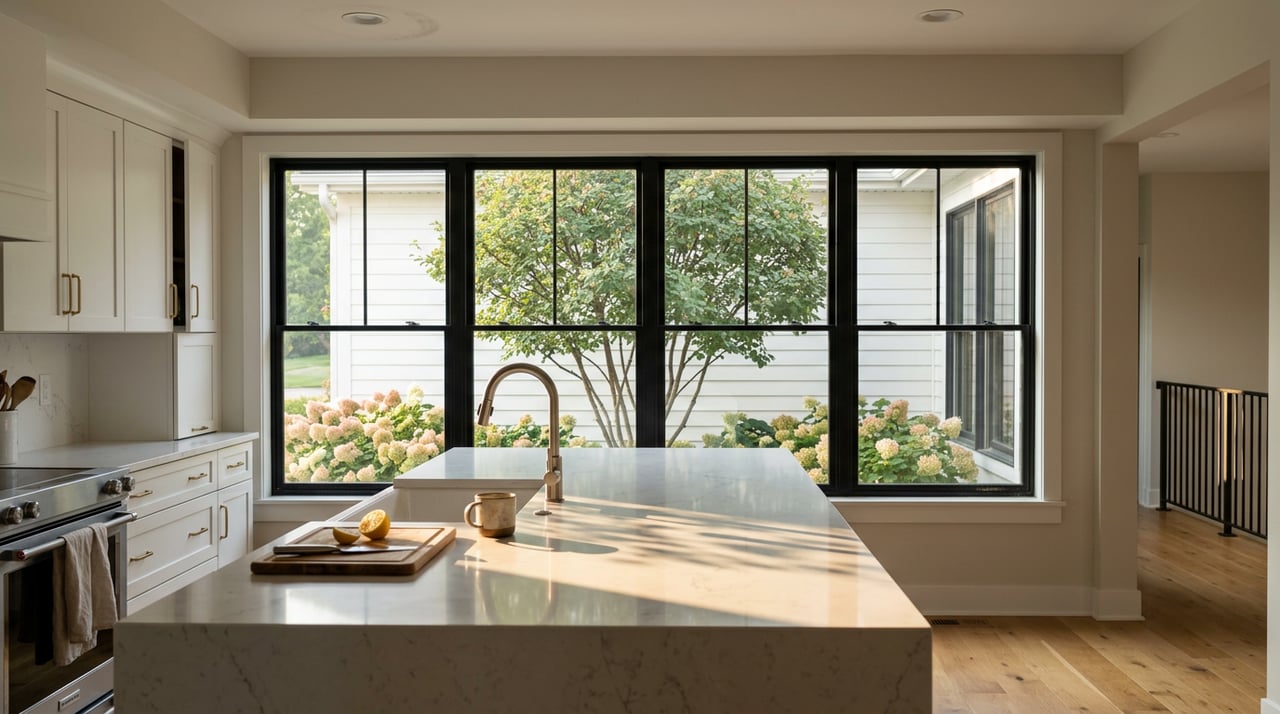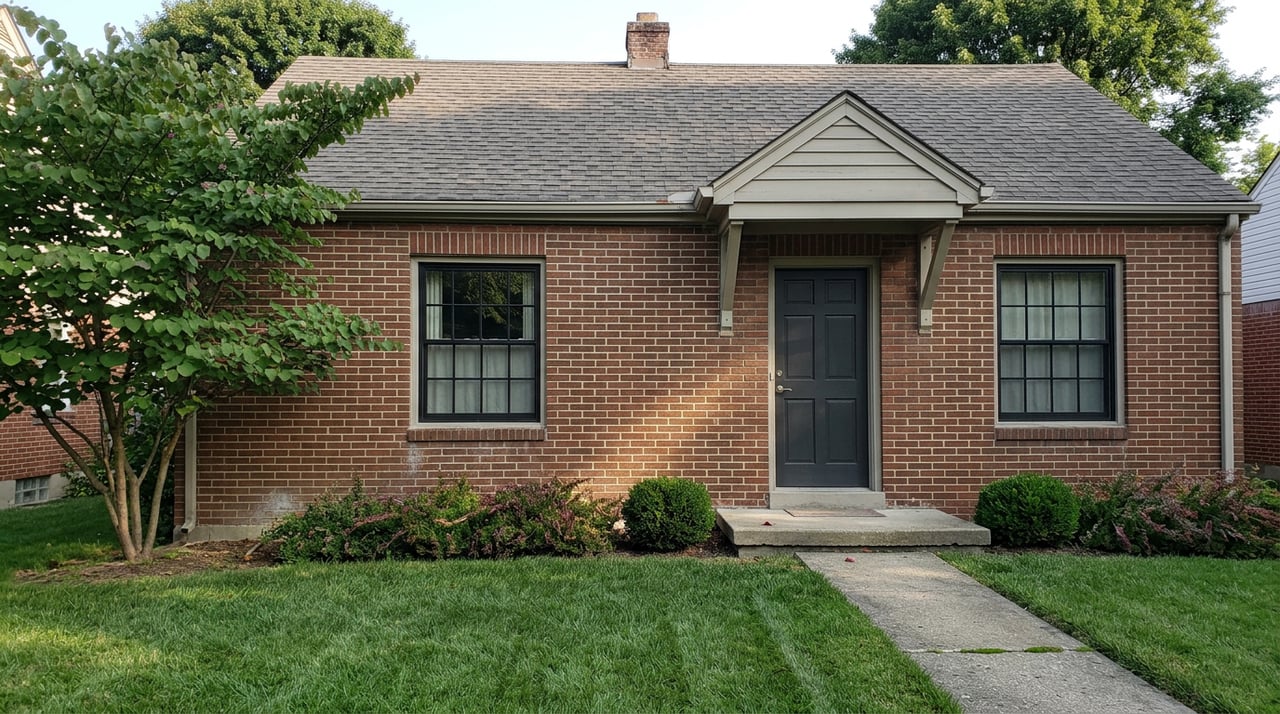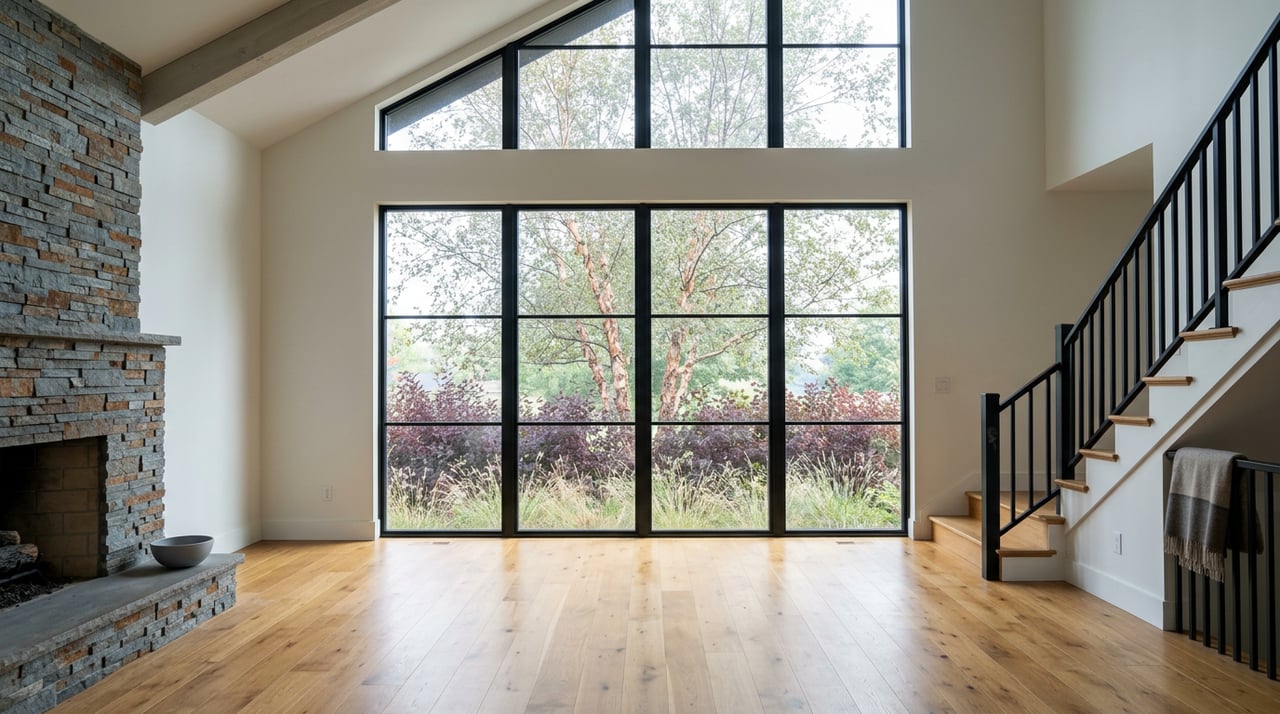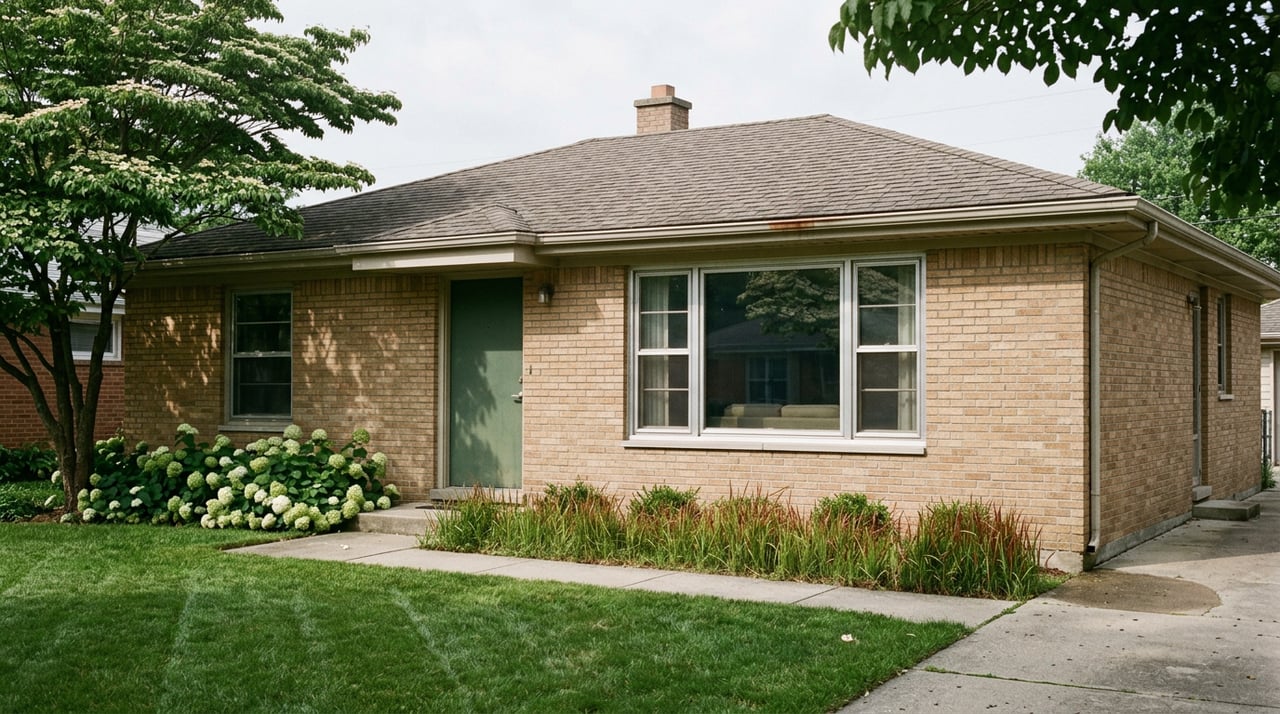
Two bungalows sit on the same kind of Berkley block. Same three bedrooms, same roughly 1,400 square feet, same easy walk to 12 Mile Road. One recently sold for something like $210 a square foot. Another, just as close to downtown, sold north of $300 a square foot. The difference wasn't the floor plan. It was the furnace, the sewer line, the electrical panel, and whether someone already wrote the check to replace them.
If you're cross-shopping Berkley against Royal Oak or Ferndale using the median price you saw on a listing site, you're holding a number that's accurate and still not telling you much this year. Berkley's median has barely budged. What buyers are actually paying per square foot has moved a lot. Those two facts don't cancel out. They point to something worth understanding before you write an offer or set a list price.
Three Snapshots, Three Different Stories
Ask three different sources what a Berkley home costs right now and you'll get three different answers, because they're not measuring the same thing.
| Source | Period | What it measures | Days on market | Homes sold |
|---|---|---|---|---|
| Redfin | March 2026 | Median sold price: $338K. Median price per square foot: $288, up 29.7% year over year | 13 days, up from 6 a year earlier | 28, up from 16 a year earlier |
| Movoto | June 2026 | Median list price: $349,900. Median list price per square foot: $239 | 18 days, up from 11 a year earlier | 61, down from 83 a year earlier |
| Zillow (ZHVI) | As of May 31, 2026 | Average home value: $322,691, up 2.1% year over year | About 5 days to pending | Not reported |
None of these numbers is wrong. Redfin is tracking closed sales and their per-square-foot math. Movoto is tracking active list prices, which run ahead of what actually closes. Zillow's figure is a smoothed value estimate across the whole housing stock, not a monthly sales median. Stack them next to each other and you get a market that looks like it's simultaneously getting more expensive per square foot, holding flat on overall value, and slowing down on time to sell. All three are true at once. That's the point.
What the Gap Is Actually Telling You
Here's the part a single headline number hides. Between the two Redfin and Movoto snapshots, days on market moved in the same direction, up in both cases, but the sales-volume comparisons pointed opposite ways: 28 sold in March 2026 versus 16 the year before, but 61 sold in June 2026 versus 83 the year before. Month to month, the volume signal flips depending on when you sample it. What holds steady across both readings is the slower pace, and in the one snapshot that tracks it, a price-per-square-foot number climbing much faster than the median itself.
That pattern shows up when the mix of what's actually selling shifts, not when every house gets more valuable at the same rate. If the homes closing in a given month skew toward smaller, heavily updated properties, price per square foot rises even while the overall median holds still, because a compact, fully renovated bungalow can out-earn a larger house that still has its original systems.
Berkley's housing stock makes this dynamic sharper than it would be in a city with a steady pipeline of new construction. The city is built almost entirely from 1940s through 1960s bungalows, ranches, and mid-century homes on modest lots, and new construction here is limited to infill and redevelopment rather than new subdivisions. There's no fresh supply diluting the comparison. Nearly every sale is a referendum on how well one specific 70-to-80-year-old house has been maintained, not a comparison between old and new stock.
The Mechanicals Are the Pitch
You can see this play out in how Berkley bungalows are actually marketed right now. One bungalow currently listed on Gardner Avenue leads its description with a brand new furnace and central air conditioning installed in 2026 and a basement that was waterproofed in March 2026, ahead of any mention of layout or finishes. Another nearby listing opens with a full replacement timeline: furnace and AC in 2021, electrical in 2022, plumbing in 2023, windows in 2019, and a new main sewer line in 2024.
That's not filler copy. In a market built on 70-year-old housing stock, a documented replacement history is the actual differentiator, more than square footage or an extra half bath. Buyers are effectively paying for a decade of deferred maintenance someone else already handled, and sellers who've done that work are pricing accordingly. A local brokerage's market notes for Berkley describe pricing as highly condition-driven, with clear premiums for updated roofs, windows, and mechanical systems, and for expansions that add function without overwhelming the original footprint. Typical asking prices run broadly from the mid-$200,000s into the $500,000s and higher, and it's the fully updated or expanded homes that push past that range, not simply the larger ones.
What This Means If You're Comparing Cities
If you're deciding between Berkley and a neighboring Woodward Corridor community, don't put two citywide medians side by side and assume you've compared like with like. A lower median in one month can mean more original-condition inventory happened to close that period, not that equivalent homes are cheaper. The same logic applies inside Berkley itself: a $290,000 bungalow and a $420,000 bungalow two blocks apart can have nearly identical square footage and a completely different story underneath the floors.
For sellers, this cuts both ways. Price against last year's per-square-foot comp without adjusting for what's been replaced, and you'll either scare off buyers with too high a number on a home that still needs work, or leave money on the table if you've already done the updates and priced like you hadn't.
For buyers, it means the questions that matter aren't really about the kitchen. Before you fall for a covered porch or original hardwood, ask about:
- Furnace and air conditioning age and replacement year
- Electrical panel type and year updated
- Plumbing material and any replacement history
- Roof age
- Main sewer line age and material
- Basement waterproofing history
These are exactly the categories Berkley sellers are already volunteering in their listings, because they know that's what's driving the offer.
A Few Questions We Hear Often
Is Berkley still a seller's market in 2026? It depends heavily on condition. Days on market lengthened in both the March and June 2026 snapshots compared to a year earlier, which tells you buyers have more room to be selective than they did a few years ago. Homes with updated systems still move quickly. Homes that need work are sitting longer and facing more negotiation.
Does a bigger Berkley bungalow always cost more per square foot? Not based on what the data shows. Size matters less here than whether the mechanical systems have been touched. A smaller, fully updated home can out-earn a larger one with original infrastructure.
Should I just trust the median price I see on a listing site? Use it as a starting point, not a conclusion. Given how much Berkley's per-square-foot number has moved compared to its median, the more useful comparison is block-by-block and system-by-system, not citywide average against citywide average.
Working Through the Numbers With Someone Who Tracks the Block
Citywide averages can tell you the general direction of a market. They can't tell you whether the specific house you're eyeing has a 2024 sewer line or one from 1955. That's the level of detail that actually determines what a fair number looks like in Berkley right now, and it's the kind of thing that shows up in block-level sales history more than in any portal's headline stat.
If you're weighing a move into Berkley, sizing up whether your own bungalow is priced for what it actually has under the hood, or just trying to make sense of numbers that don't seem to agree with each other, Kim Nagy and the team are glad to walk through what's really happening on your specific street. Contact us when you're ready to talk it through.